Eco-Friendly Approaches: How E-Waste Recycling Services Are Preserving Our Planet
E-waste represents a considerable hazard to the environment, as abandoned electronic devices commonly carry harmful materials. Such dangerous compounds can pollute soil and water supplies, resulting in widespread environmental harm. E-waste recycling services present a viable solution. They successfully retrieve useful resources while simultaneously minimizing environmental pollution. Understanding how these services operate and their impact on communities is essential. Pursuing efficient e-waste management brings forth pressing questions regarding individual duties and shared responsibility. What steps can be taken next?
The Reasons E-Waste Is Damaging to the Planet
Although technology enhances our daily lives, e-waste poses considerable environmental hazards. Disposed electronic equipment, frequently composed of dangerous compounds like cadmium, lead, and mercury, can leach toxins into soil and groundwater, presenting dangers to human health and ecosystems. The rapid pace of technological advancement results in higher rates of electronics disposal among consumers, intensifying the growing problem of e-waste.
Landfills, already strained by waste, are unable to keep up with the rising quantities of abandoned electronics. Incineration, a common waste management technique, emits dangerous pollutants into the environment, degrading atmospheric conditions. Moreover, poor recycling procedures can cause e-waste to be sent to developing regions, where employees may disassemble electronics without sufficient safety precautions, leaving them vulnerable to harmful substances. This ongoing cycle of carelessness and inadequate management emphasizes the pressing necessity for responsible recycling initiatives that can lessen the harmful consequences of e-waste on our world.
What Is E-Waste and Why Is It Important?
E-waste, or electronic waste, includes obsolete electronic products like computers, smartphones, and televisions that have reached the end of their useful life. This rapidly expanding waste category is noteworthy due to its rapid accumulation, driven by technological advancements and consumer trends. As more devices become obsolete, the environmental impact intensifies, with toxic materials such as lead, mercury, and cadmium presenting serious hazards to the environment and human well-being.
The importance of addressing e-waste lies not only in mitigating these hazards but also in recognizing the valuable materials it contains. Critical metals and rare earth components can be reclaimed and recycled, decreasing the reliance on mining and protecting natural resources. Through a deeper awareness of e-waste and its consequences, both individuals and organizations can make well-informed choices regarding disposal and recycling, thereby supporting a more sustainable future. Responsible management of e-waste plays a key role in supporting a circular economy and championing environmental stewardship.
How E-Waste Recycling Works
Recycling e-waste involves a structured approach aimed at reclaiming useful resources while limiting ecological damage. Initially, discarded electronics are retrieved and sent to specialized recycling facilities. After reaching the facility, the devices undergo thorough sorting to separate hazardous components from recyclable materials.
Next, workers break down the devices, removing plastics, metals, and glass. This phase is essential, as it facilitates the reclamation of precious metals like copper, gold, and silver, which may be utilized in modern electronics.
Afterward, the isolated materials are handled through advanced techniques, such as mechanical shredding and chemical processing, to refine them for further use.
Finally, the leftover hazardous materials are disposed of responsibly, complying with eco-friendly standards. This systematic method not only preserves valuable resources but also reduces the dangers connected to improper e-waste disposal, securing a more eco-conscious future for electronic device usage.
How E-Waste Recycling Benefits You and Your Community
Though many people are unaware, the benefits of e-waste recycling extend beyond personal convenience to positively impact entire communities. By properly recycling electronic waste, individuals contribute to a healthier environment, minimizing toxic components that can seep into soil and water. This forward-thinking practice actively safeguards local ecosystems and promotes public health.
Additionally, the recycling of e-waste encourages employment opportunities within local communities. Local recycling facilities often require personnel for diverse activities, including collection and processing, consequently creating meaningful employment within the community. This not only enhances the community economy but also promotes community participation in sustainable initiatives.
Moreover, familiarity with e-waste recycling is capable of inspiring educational initiatives, empowering residents to make environmentally conscious decisions. By enrolling in e-waste recycling programs, individuals promote a culture of sustainability, motivating others to do the same. In summary, the collective impact of these actions can lead to a more resilient and environmentally responsible community.
How to Pick an E-Waste Recycling Service
Picking the best electronic waste recycling provider is crucial for making sure that e-waste is managed with responsibility and sustainability. First, consumers should verify the company's credentials, such as R2 and e-Stewards certifications, which signify adherence to established benchmarks for secure waste disposal procedures. It is equally important to evaluate the organization's standing by reading customer reviews and looking for recommendations from trusted sources.
Furthermore, clarity in the recycling process is essential. A reliable provider should provide clear information about the way e-waste is handled and how the materials are utilized. Furthermore, assessing the variety of services available can be advantageous; certain providers may offer collection services or present rewards for recycling.
Finally, familiarizing yourself with local guidelines related to e-waste disposal may further shape the evaluation process. When these considerations are given priority, residents can actively participate in successful electronic waste reduction while also advancing eco-friendly habits.
How You Can Take Part in E-Waste Recycling?
Getting involved with e-waste recycling may begin at the local level, where community recycling hubs often provide essential services for proper disposal. Furthermore, participating in community awareness campaigns can amplify efforts to raise awareness about the importance of proper e-waste handling. These actions not only promote sustainability but also build a collective sense of stewardship of the environment.
Community Recycling Locations
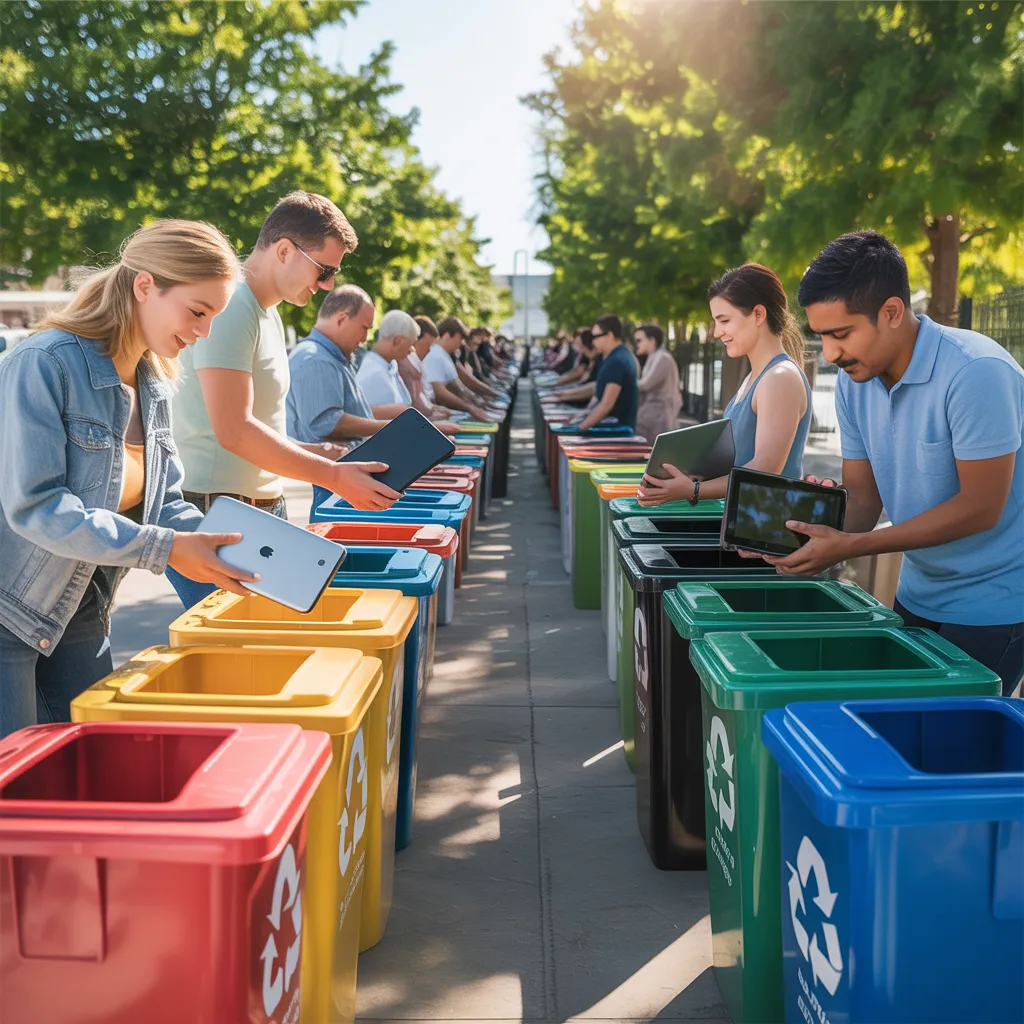
Several local recycling centers play an essential role in e-waste recycling, supplying communities with reliable ways to discard electronic waste in an eco-friendly way. These hubs welcome a variety of digital devices, including outdated computers, mobile phones, and TVs, ensuring that harmful materials are handled safely. Many hubs feature trained staff who support individuals in understanding proper disposal practices, emphasizing the importance of recycling over landfilling. Furthermore, several stations organize drop-off events or designated collection days, allowing residents to take part with ease. By utilizing these local services, community members advance a circular economy, lowering environmental harm and encouraging sustainable habits. Partnering with these facilities empowers communities to take action against e-waste pollution effectively.
Community Education Campaigns
Community groups, educational institutions, and companies can collaborate to host events that promote e-waste collection drives. Community members can serve a critical function in raising awareness, sharing informational resources, and connecting with local residents. Through these collective efforts, community members grow more knowledgeable and inspired to dispose of their electronics responsibly, thereby helping to build a greener and more sustainable tomorrow.
Answers to Your Most Common Questions
What Electronic Devices Are Eligible for Recycling?
Various electronics are able to be recycled, including computers, smartphones, televisions, laptops, gaming consoles, and printers. Furthermore, peripherals such as keyboards, mice, and batteries are well-suited for recycling, contributing to eco-friendly conservation initiatives.
Are There Any Costs Associated With E-Waste Recycling?
Indeed, e-waste recycling can include costs, depending on the facility. Some service centers impose charges for gathering or treatment, while others offer free services, often subsidized by the resale of recovered materials.
How Do Businesses Gain From E-Waste Recycling?
Businesses can benefit from e-waste recycling by reducing disposal costs, strengthening their ecological Check it out standing, complying with regulations, extracting valuable resources, and possibly earning income through resale, ultimately contributing to a more sustainable operational strategy.
What Occurs with Data on Recycled Devices?
Data regarding refurbished electronics is frequently permanently erased or destroyed throughout the recycling process. This guarantees sensitive information is kept safe, preventing unauthorized access while enabling resources to be repurposed safely and responsibly across new manufacturing processes.
Can I Recycle Broken Electronics?
Yes, damaged electronics may be recycled. Several collection points accept damaged devices, ensuring proper disposal and retrieval of useful materials. It helps lower the environmental footprint while supporting eco-friendly recycling methods to manage electronic waste effectively.